
The Smell Of Rain On Hay
by Julia Khen for Agri-Times NW
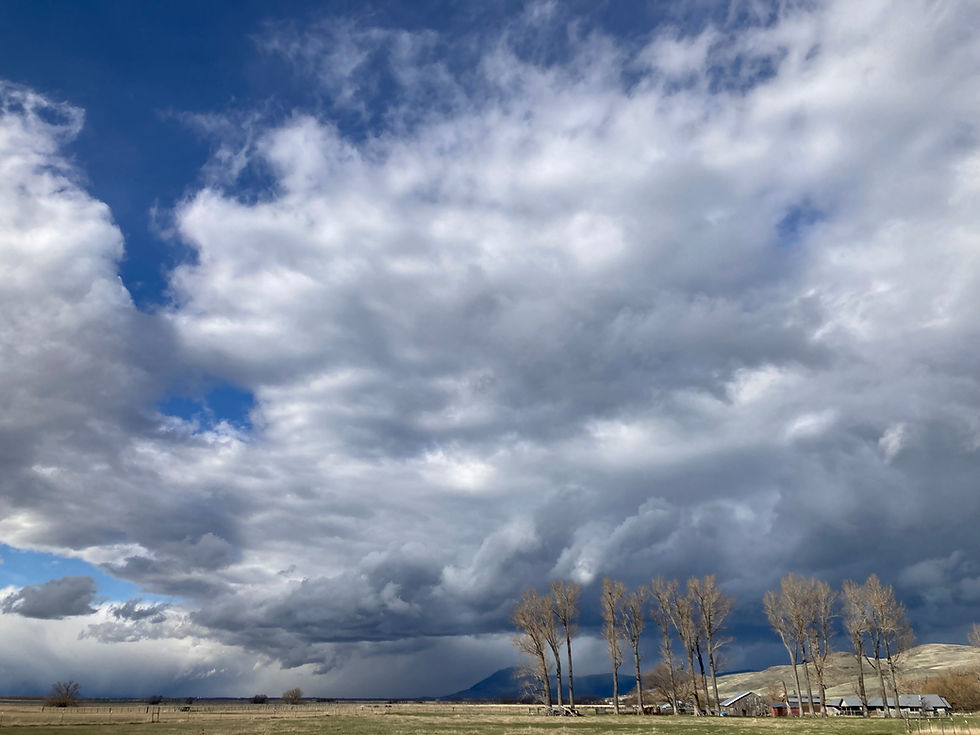
I grew up where the land was flat enough for the wind to think it owned the place. You could stand out in the field and see everything—the tired fences, the sagging barn, the mountains so far off they looked like they belonged to another world. Ours was a small family farm, the kind that never made much money but still managed to hold people together. My first real memory of work was shoveling manure. Not glamorous, but honest. The kind of job that teaches you what your back is for. I remember the weight of the shovel, the sour smell of the stall, and the way my father never looked up while we worked. He didn’t talk much, but when he did, his words stuck. “You got two hands,” he told me once. “That means you got no excuse.” I didn’t know then how many times I’d repeat that to myself years later. Farming life is not quiet, no matter what people think. The mornings start before dawn, when the roosters scream like they’ve seen the devil. The machines rumble, the cows complain, and the wind never stops moving things around. But there’s a kind of peace in the noise. It becomes your heartbeat. You stop noticing the dirt under your nails, the sweat on your neck, the sting of blisters that never re ally heal. I remember one summer when the rain didn’t come. The sky turned into a pale sheet, blank and mean. The ground cracked open, and the fields started to die. My father stood in the doorway every night, staring at the horizon like it had betrayed him. I used to pray for rain, whispering into the dark, promising to be good if the clouds would just listen. When it finally came, it wasn’t gentle. It came hard, tearing at the soil, flooding the ditches, drowning the crops we had left. I learned then that sometimes even the things you beg for can hurt you when they arrive. There were good days too. Days when the barn smelled like hay and sunlight. When I’d lie down on the grass and let the world spin slow for a while. My mother would bring lemonade, the kind too sweet for anyone but her. We’d drink in silence, the three of us, pretending that life wasn’t just one long cycle of planting and waiting and losing. When I was fourteen, I thought I wanted to leave. I wanted something cleaner, easier. But every time I closed my eyes, I saw the fields—the way the light bent over them at dusk, the way the dust rose behind the tractor like smoke from a candle just blown out. The farm wasn’t beautiful, not really. It was rough and scarred and real. But it was mine. What I learned there isn’t written in any book. It’s in the calluses on my hands and the ache in my shoulders. It’s in the way I still wake up before sun rise, even years later, listening for the sound of the wind moving through dry grass. The farm taught me that life doesn’t wait for you to be ready. It happens whether you’re strong enough or not. And maybe that’s what keeps me going—the knowing that even after the droughts, after the storms, something always grows back. Not always what you planted, but something. Always something.


Comments